
Capital Appreciation Opportunities

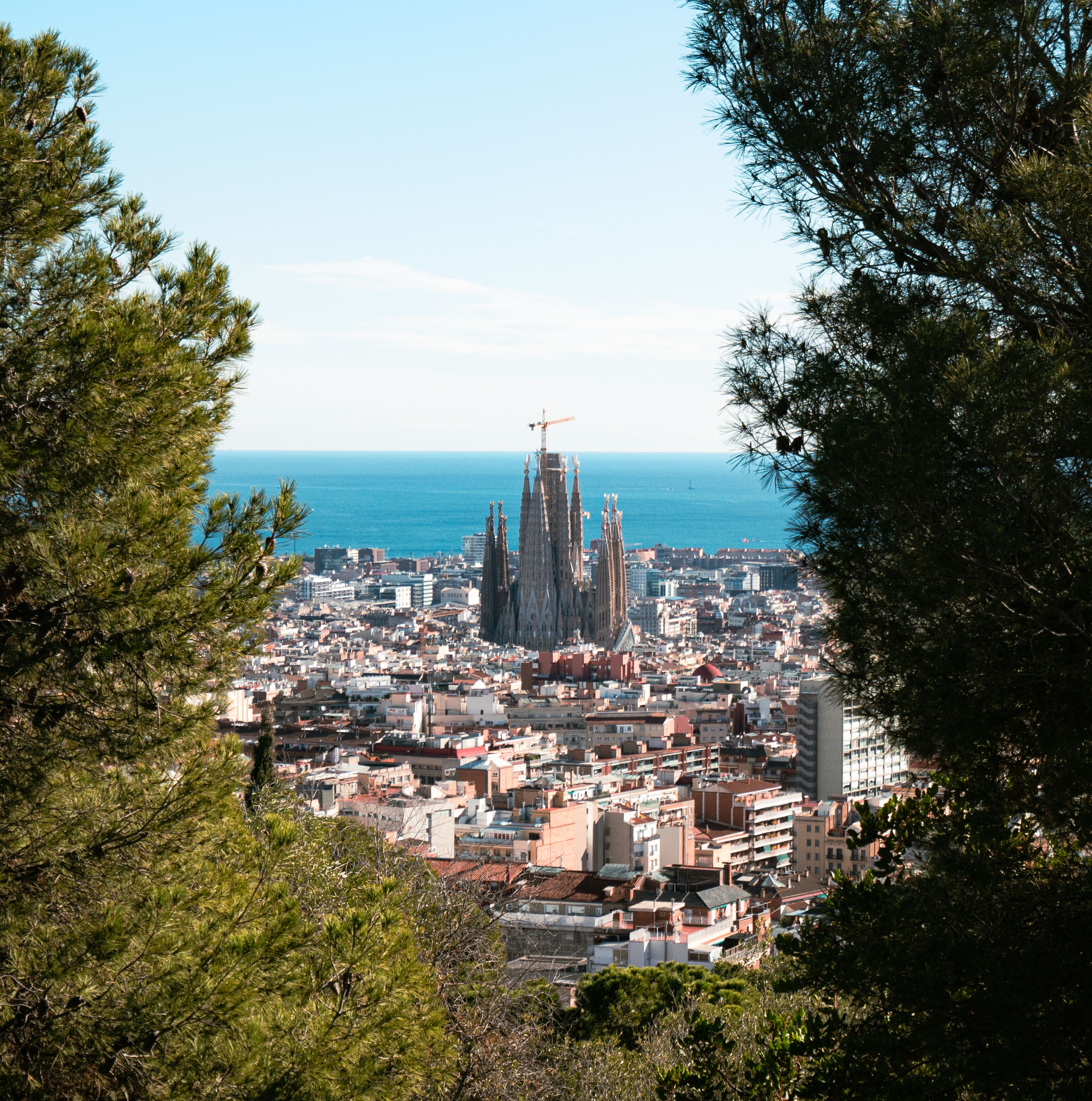
The world’s largest fashion group, Inditex, has chosen Barcelona’s northern waterfront as the location for its new headquarters, sealing its future as a destination to watch, especially for capital appreciation.
The Diagonal Mar district has already undergone a transformation, and now the adjacent areas, including the Fórum and Sant Adrià de Besòs are set to enjoy the same metamorphosis, one of ongoing regeneration, investment, and long-term value creation.
Companies like Inditex do not make location decisions casually. Indeed, every major real estate commitment is the product of rigorous commercial analysis, long-term planning, and a clear view of where value will be created.
For individuals seeking capital appreciation real estate opportunities, the most profitable are rarely found in locations that have already completed their transformation. They emerge in districts where future growth is visible, but market perception has yet to catch up.
When an organisation of Inditex’s calibre makes an irrevocable, multi-hundred-million-euro commitment to a specific part of a city, the surrounding real estate market begins to re-price. A permanent, highly skilled workforce arrives, and suppliers, agencies, and service businesses follow. Competing corporate occupiers take notice. Hospitality investment increases, retail improves, and lenders, valuers, and buyers begin to reassess the area’s long-term prospects.
This is what real estate investors call the anchor effect. It is one of the most reliable drivers of long-term value creation and capital growth in urban regeneration. The investors who recognise its significance before the wider market does are often the ones who capture the greatest gains and secure generational wealth.
Those looking at Barcelona’s northern waterfront today, including areas such as the Fórum and Sant Adrià de Besòs, may one day view this moment in the same way early investors now look back on Canary Wharf in London or Hudson Yards in New York.
Why savvy property investors pay attention to institutional signals
The most successful property investors identify structural shifts before they become obvious and position themselves while uncertainty still dominates sentiment. Real estate history offers numerous examples of this dynamic, but few are as instructive as Canary Wharf in London and Hudson Yards in New York.
In both cases, investors who recognised the significance of major institutional commitments before the wider market fully appreciated their implications were able to acquire property at prices that would later seem remarkably low.
The transformation of these districts demonstrates how corporate relocation, infrastructure investment, and changing perceptions can combine to create exceptional capital appreciation opportunities for those willing to act ahead of consensus.
Canary Wharf, London, UK
For any investor who needs a precedent, the story of London’s Canary Wharf is instructive precisely because the scepticism that surrounded it in the early 1990s mirrors what is heard today about Barcelona’s northern waterfront.
In 1991, Canary Wharf was a desolate stretch of post-industrial dockland in London’s East End. The tube extension that would serve it was years from completion. Critics questioned whether any serious business would relocate from the City to what felt, to many Londoners, like a different country.
Then Goldman Sachs committed to a major presence, followed by HSBC which announced it would move its global headquarters there. These were some of the most commercially calculating institutions in the world, and they had concluded that Canary Wharf’s waterfront location, infrastructure investment, and large-format office opportunity represented something that the old City of London simply could not replicate.
Those who bought property in the surrounding areas of Poplar, Limehouse, and the Isle of Dogs before those decisions landed, or even in their immediate wake, captured appreciation that, over the following two decades, significantly outperformed the broader London market. Those who waited until the transformation was self-evident paid a very different price.
The lesson is not that every emerging district becomes Canary Wharf. The lesson is that the early signal, when a globally recognised institution makes an irrevocable financial commitment to a specific location, is the moment to act, not the moment to deliberate.
Hudson Yards, New York, US
New York’s Hudson Yards tells a parallel story with an identical underlying logic. As recently as 2012, the Far West Side of Manhattan was a post-industrial no man’s land above a working rail yard. It lacked the residential density, the cultural anchors, and the retail character that defined desirable Manhattan neighbourhoods.
The re-rating began with a combination of large-scale corporate commitment and public infrastructure investment. As Related Companies broke ground on what would become the largest private real estate development in American history, major occupiers began committing to the district. What had once been viewed as an ambitious regeneration proposal became a tangible commercial reality.
By the time the first residential towers opened, prices in the surrounding area had moved substantially. The investors who had positioned themselves on the Far West Side while the question marks still lingered were sitting on real estate gains that no one who waited for certainty would see.
What Barcelona’s northern waterfront shares with Hudson Yards at the equivalent moment in its cycle is more important: a credible institutional catalyst, a waterfront location that cannot be replicated elsewhere in the city, and a surrounding neighbourhood that has not yet been priced for what it is set to become.
What the Litoral Nord offers that the rest of Barcelona cannot
Barcelona is a city with structural real estate constraints, and, for an investor seeking a long-term capital appreciation property opportunity, the kind that comes from buying before a district completes its transformation rather than after, the options within the city are narrow.
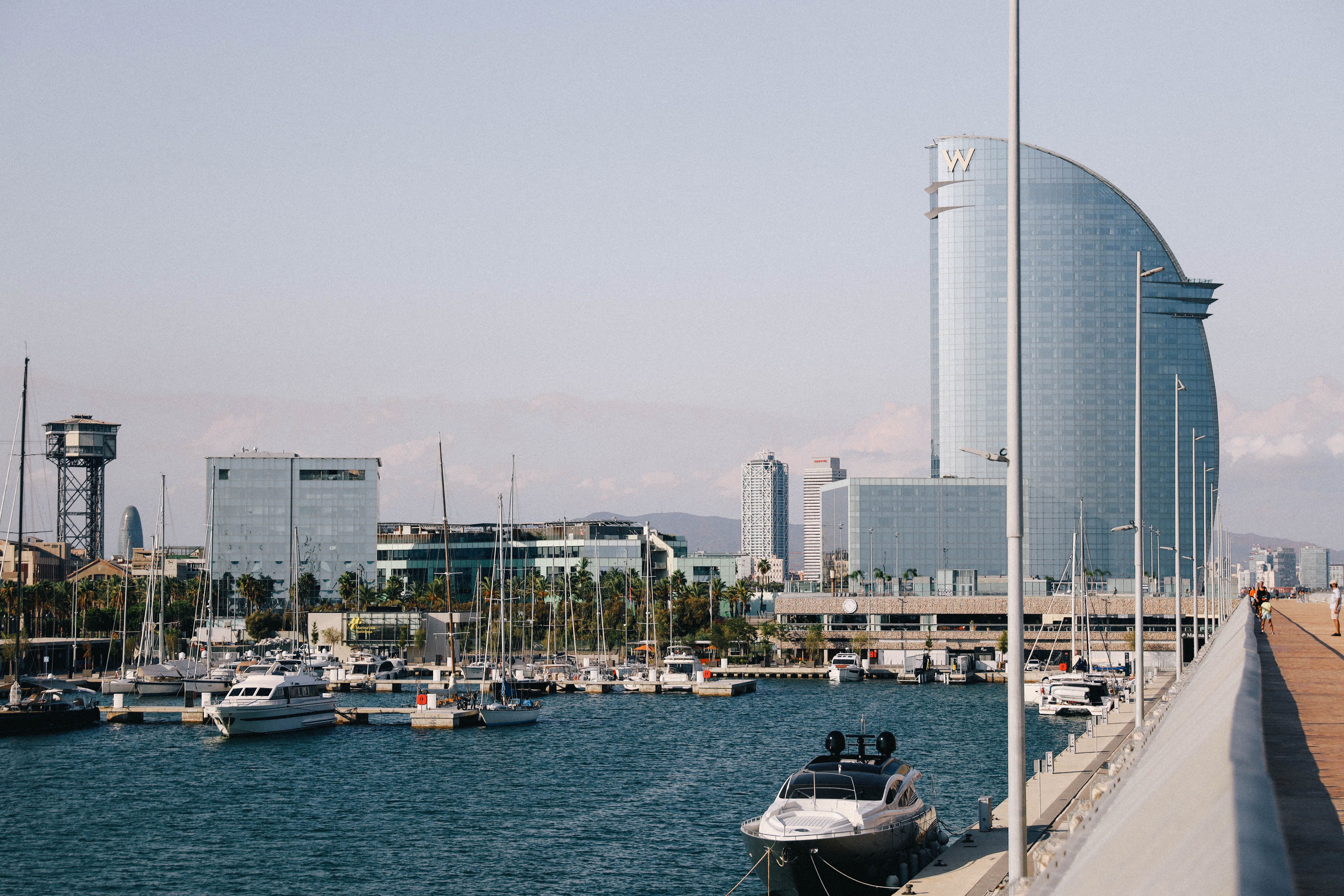
The Litoral Nord corridor, including the former industrial hubs like the Fórum and Sant Adrià de Besòs, is one of the few remaining areas where that calculus still works.
It has what serious investors look for in a regeneration opportunity: a waterfront address in a major European city; confirmed institutional investment of the highest tier; improving infrastructure and connectivity; proximity to established demand generators including the Diagonal Mar shopping centre and the Forum venue; and a price point that still reflects the neighbourhood’s unfinished character rather than its finished potential.
In every city where high-quality residential development has been successfully established near water, from the South Bank in London to the Harbour in Sydney and the converted docklands of Hamburg and Dublin, the water premium has proven durable through multiple economic cycles. Barcelona’s climate makes that premium more reliable still.
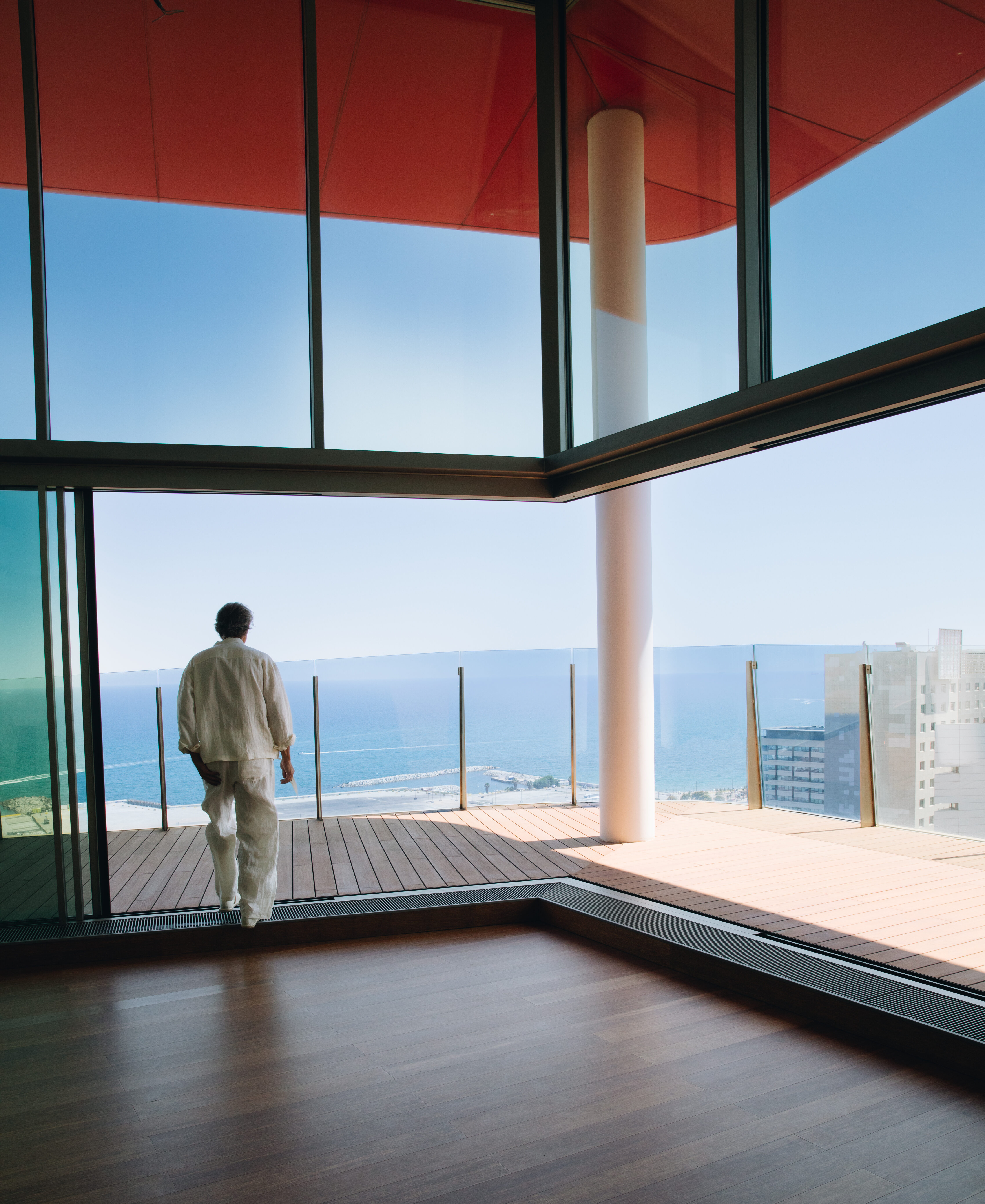
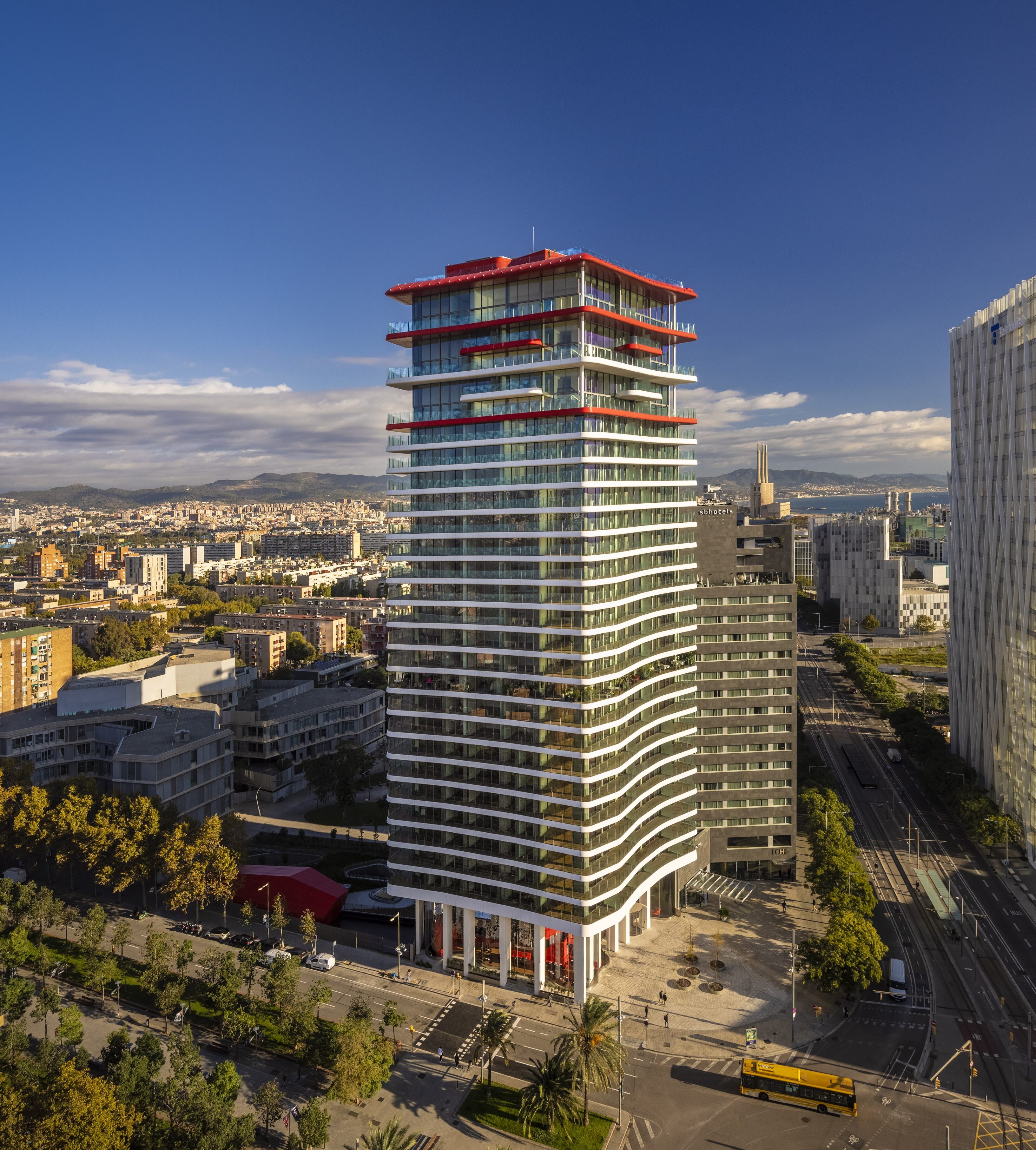
Luxury residences at the edge of this corridor, such as the 27-storey Antares Barcelona, offer qualities that are increasingly difficult to find elsewhere in the city, including unobstructed sea views, exceptional amenities, architectural distinction, and direct access to a waterfront district undergoing significant transformation.
A key selling point is that Antares Barcelona is the last building in the city that can be built this tall (96-metres) and the luxury apartments are exempt from the city’s strict rental guidelines. This is particularly important for buyers who are wishing to secure a property as a long-term investment or desire a hybrid model, using the apartment as a vacation home and renting it out seasonally when not in use.
The capital appreciation property investment case for Barcelona
The investment case for the city’s northern waterfront rests on a simple proposition: institutional capital has already recognised the area’s potential, while much of the market has yet to fully price it in.
The infrastructure trajectory of the area, including improved transport, ongoing public realm investment, and the continued development of the Litoral Nord coastline is already established.
Finally, the northern waterfront boasts the benefits of a location at the water’s edge, stunning views, and a city that is considered one of Europe’s most desirable places to live and work.
The opportunity exists because institutional investors and major occupiers are making decisions based on the area’s future trajectory, while parts of the market continue to value it through the lens of its past. That gap is where capital growth opportunities are created.
The smartest money in European real estate has a habit of moving quietly. It does not wait for the neighbourhood to be finished, for the cafés to open or the local sceptics to be converted. It moves when the institutional signal is clear and when the entry price still reflects the past rather than the future. For Barcelona’s northern waterfront, that moment is now.