
From Dubai to Barcelona: The next chapter for global wealth
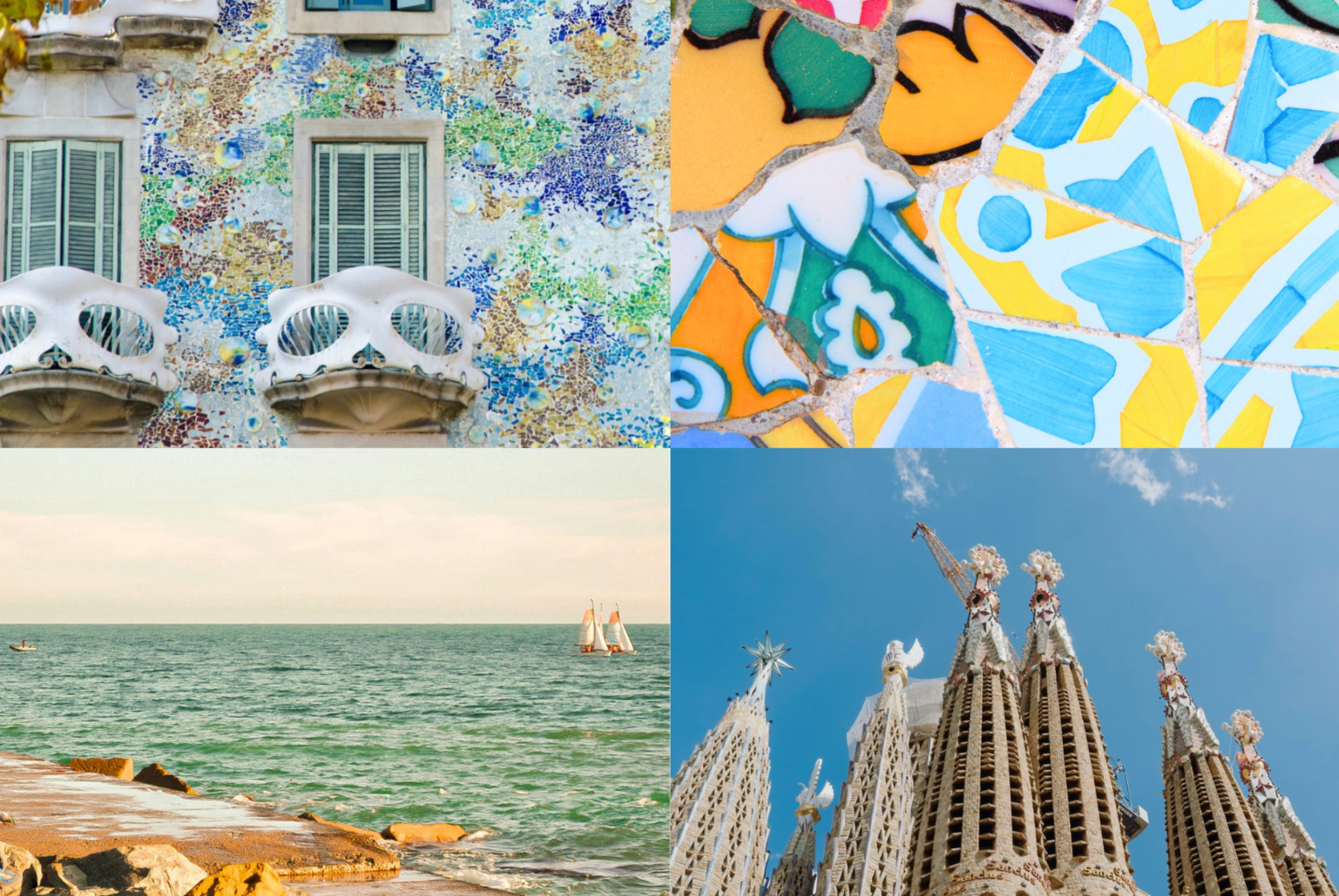
While the Emirate of Dubai is one of the world’s most established destinations for globally mobile wealth, Barcelona is fast becoming one of the most compelling cities for the world’s wealthiest wishing to enjoy a refined Mediterranean lifestyle.
Dubai, in the UAE, is one of the world’s foremost centres for tax-efficient business and internationally mobile capital, where many individuals choose to build their wealth. Barcelona, on Spain’s Mediterranean coast, is a 2,000-year-old European city increasingly recognised as one of the continent’s most liveable and investable addresses, where that same wealth is increasingly being enjoyed.
For a growing number of the world’s wealthiest, Barcelona isn’t a rival to Dubai. It’s the next chapter: the place they choose once the wealth has been built, and the focus shifts to how they want to live.
If you’re weighing which chapter is right for you, business built in one city, life lived in another, it helps to see the two side by side. Here’s how Barcelona and Dubai compare.

Barcelona vs Dubai UAE
1 – Barcelona’s Mediterranean Climate vs. Dubai’s Desert Heat
Barcelona: Barcelona’s Mediterranean climate allows for year-round outdoor living, with mild winters and warm, dry summers.
Dubai: Dubai’s summer temperatures regularly exceed 40°C, making outdoor life impractical for months at a time without heavy reliance on air conditioning.
2 – No Summer Exodus in Barcelona vs. Dubai’s Seasonal Exodus
Barcelona: Because the climate stays temperate year-round, there’s no need to leave the city for the summer; residents simply live outside more.
Dubai: Dubai’s intense summer heat has created a well-established seasonal pattern, with many residents relocating to Europe for the hottest months.
3 – Walkable Barcelona vs. Car-Reliant Dubai
Barcelona: Barcelona is a genuinely walkable, human-scale city, where daily life, work, and culture unfold within a manageable radius on foot or by metro. The city boasts one of Europe’s best metro systems, an expanding modern train network, an extensive bus network, and one of the world’s most comprehensive urban cycling infrastructures. Spain is also home to the world’s second largest high-speed train system. The city’s mild Mediterranean climate makes cycling practical year-round, with hundreds of kilometres of protected bike lanes allowing residents to move around the city without depending on a car.
Dubai: Dubai’s expansive, purpose-built layout generally requires a car, and traffic congestion during peak hours is a regular feature of daily life.
4 – Barcelona’s 2,000 Years of Heritage vs. Dubai’s Emerging Cultural Identity
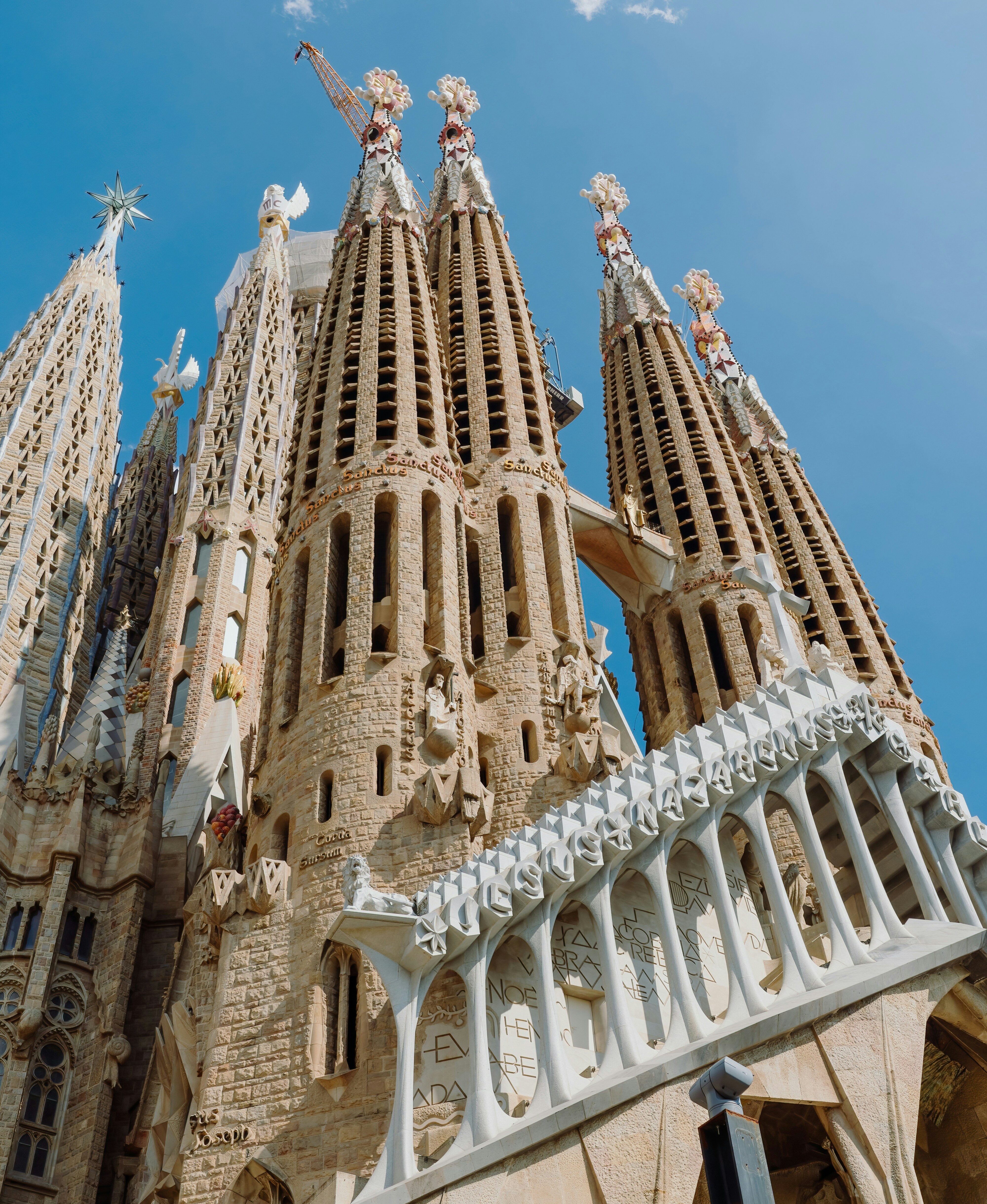
Barcelona: Barcelona’s culture spans over two millennia. Founded by the Romans as Barcino, the city later welcomed Christopher Columbus in 1493 on his return from the Americas, before giving rise to Gaudí’s Modernisme and, in the 20th century, Miró, Dalí and Picasso. Barcelona’s culture feels authentic and lived in, rather than curated.
Dubai: Dubai’s rapid modern development has produced a dynamic, contemporary city, though its cultural identity, by comparison, is still being written.

5 – Barcelona’s Layered Architecture vs. Dubai’s Scale and Speed
Barcelona: Barcelona is internationally recognised as one of the finest examples of urban planning in history. Ildefons Cerdà’s 1860 Eixample Plan for Barcelona transformed modern city planning and continues to influence cities around the world to this day. Thanks to this historic urban planning, Barcelona feels cohesive, human-scaled, and interconnected.
Barcelona’s skyline layers contemporary ambition onto centuries of history, from Gothic Quarter facades to a new generation of waterfront towers such as Antares Barcelona, one of the city’s newest high-rise residences by the sea.
Dubai: Dubai’s skyline is defined by scale and speed, home to some of the tallest and most technically ambitious buildings ever constructed, built largely within the past three decades. The Emirate has evolved through a series of remarkable but largely independent developments connected primarily by highways, making travel by car the primary route.
6 – Barcelona’s EU Legal Framework vs. Dubai’s Regulated Governance
Barcelona: As part of the European Union, Barcelona operates within one of the world’s most established frameworks for rule of law, offering residents a mature and predictable legal environment.
Dubai: Dubai operates under a legal system that prioritises order and stability; political participation is limited, with no elected national legislature and political parties banned, a different model from the EU’s parliamentary frameworks.
7 – Barcelona’s Open, International Character vs. Dubai’s Cosmopolitan Growth
Barcelona: Barcelona has spent two thousand years absorbing new populations and cultures; today’s international residents come from all over the world and describe a city where they feel genuinely at home, while enjoying clear freedom of expression. The city offers an environment that is truly inclusive, while offering individuals the protection of an internationally respected democracy.
Dubai: Dubai’s population is overwhelmingly international and famously cosmopolitan, though the transient nature of much of its expatriate community can make long-term social roots harder to establish.
8 – Barcelona’s European Connectivity vs. Dubai’s Global Hub Position
Barcelona: Barcelona sits within roughly two hours’ flight of most major European capitals, offering a spontaneous European lifestyle, while its international airport also connects further afield. This effortless access to Europe means residents can easily enjoy weekend trips to cities like Paris, Milan, Zurich, Lisbon, Ibiza, and the French Riviera, to name just a few.
Dubai: Dubai’s location between Europe, Asia and Africa makes it one of the world’s great aviation hubs, making international travel effortless.
9 – Real Mountains and Sea in Barcelona vs. Dubai’s Man-Made Landscape
Barcelona: The Pyrenees, with genuine natural snowfall, sit a short drive from the city, alongside a full Mediterranean coastline for sailing, swimming and beach life.
Dubai: Dubai’s desert setting has produced remarkable engineered landscapes, including artificial islands and an indoor ski slope, in place of the natural mountains and open coastline Barcelona offers.
10 – Barcelona’s Everyday Quality of Life vs. Dubai’s Resort-Style Living
Barcelona: Fresh Mediterranean produce, a genuine tapas and market culture, and distinct, characterful neighbourhoods define daily life across the city.
Dubai: Dubai’s reliance on imported food and newer, more uniformly designed residential districts create a different, more resort-style rhythm to everyday living.
11 – Barcelona’s Wealth Tax vs. Dubai’s Zero-Tax Regime
Barcelona: While Spain’s Beckham Law offers beneficial tax rates to qualifying expatriates wishing to call Barcelona home, buyers should factor Spanish property and income tax rules into any purchase. It’s important to note that simply buying a second home carries no significant tax implications. Independent advice should always be taken.
Dubai: The UAE offers zero personal income tax, zero capital gains tax and zero inheritance tax, a structural advantage that remains central to its appeal for internationally mobile wealth.
12 – Barcelona’s Supply-Constrained Market vs. Dubai’s Elastic Supply
Barcelona: Unlike Dubai, Barcelona cannot simply continue to expand. Land is extremely limited, and strict planning restrictions limit large-scale new developments in Barcelona, a scarcity that has historically underpinned long-term price resilience in its best addresses. This places landmark developments like Antares Barcelona in a category that are unlikely to be repeated, enhancing long-term value.
Dubai: Dubai’s vast available land means supply can expand to meet rising demand, which has generally kept prices lower and more responsive than in space-constrained European cities.
13 – Barcelona’s International Educational Landscape vs. Dubai’s International School Market
Barcelona: Barcelona offers a broad selection of international schooling including British, American, French, German and Swiss curricula, alongside a strong International Baccalaureate (IB) offering, often the deciding factor for relocating families.
Dubai: Dubai also has an extensive international school market, with British and American curricula dominant. Places at the most sought-after schools are frequently oversubscribed given the scale of the expatriate population and the quality of the schooling on offer.
14 – Barcelona’s Healthcare vs. Dubai’s Private Medical Infrastructure
Barcelona: Spain’s healthcare system ranks 10th globally in Numbeo’s 2026 Health Care Index. Most relocating buyers, particularly non-EU nationals, will hold private health insurance and will not be eligible to access Spain’s public healthcare system. However, Spain’s private healthcare is excellent and significantly more affordable than in the US or UK, and long-term residents who establish legal residency can eventually access the public system directly.
Dubai: Dubai’s healthcare relies heavily on a well-resourced private system, with world-class hospitals and specialists. Health insurance is mandatory for all Dubai residents, whether provided by an employer or purchased privately, so buyers should factor ongoing private insurance costs into their planning much as they would in Barcelona.

15 – Barcelona’s Natural Marina Culture vs. Dubai’s Vast Marina Scale
Barcelona: Barcelona’s waterfront supports a genuine maritime culture rooted in the Mediterranean, from the Port Vell marina in the city centre to the new developments along the Litoral Nord corridor, with sailing, swimming and open-water access built into everyday life rather than a single showcase destination. Barcelona is also a growing superyacht destination and recently hosted the prestigious America’s Cup. Barcelona’s strategic base makes it ideally placed for yachts moving seasonally between the Mediterranean and the Caribbean, two of the world’s most sought-after yachting destinations.
Dubai: Dubai Marina is the largest man-made marina in the world, a purpose-built canal city stretching roughly 3km along the Gulf shoreline, with over 500 yacht berths at its Yacht Club. It stands as one of the most ambitious waterfront developments ever constructed, a scale of engineering ambition Barcelona’s naturally-formed coastline doesn’t attempt to match.
16 – Barcelona’s Established Gastronomy vs. Dubai’s Fast-Rising Michelin Scene
Barcelona: The 2026 Michelin Guide lists 29 starred restaurants in Barcelona, holding 42 stars in total, including 4 three-star restaurants, one of the highest concentrations of fine dining anywhere in Europe, built on a long-established culinary tradition. Residents not only enjoy world-renowned gastronomy, but also exceptional local markets, outstanding Spanish wines, local cafes and tapas bars, and Spain’s famed al fresco dining, enhanced thanks to the city’s pleasant year-round Mediterranean climate.
Dubai: Dubai’s Michelin scene, though younger, is one of the fastest-growing in the world: the city had 11 starred restaurants when the Guide launched in 2022, and by the 2026 edition that number has grown to roughly 20, including two newly awarded three star restaurants. It’s a trajectory that signals real momentum rather than an established ceiling, making Dubai an exciting proposition for foodies.
17 – Barcelona’s Living Culture and Festival Calendar vs. Dubai’s Events Scene
Barcelona: Beyond its architectural heritage, Barcelona has a genuinely living cultural scenes. From globally recognized festivals such as Primavera Sound and Sónar to neighbourhood festivals like Festa Major de Gràcia and La Mercè, Barcelona’s cultural calendar is woven into everyday life.
Dubai: Dubai has built a significant events and entertainment calendar of its own, including major international concerts, sporting fixtures and exhibitions, though it leans toward large-scale, purpose-built spectacle rather than the grassroots, neighbourhood-level festival culture found in Barcelona.
18 – Barcelona’s Active Lifestyle and Sporting Culture vs. Dubai’s Global Sporting Events
Barcelona: Barcelona is built for active living and sport is woven into daily life. It’s a true football capital, home to FC Barcelona and the city that shaped Lionel Messi, with Spain’s recent World Cup victory only the latest chapter in that legacy. The city also boasts Olympic heritage, skiing in the Pyrenees, dedicated cycling tracks, and sailing pedigree, making it ideal for families with sporty kids.
Dubai: Dubai has established itself as a leading host of major sporting events, Formula One, professional golf, horse racing and elite tennis, backed by world-class venues. Much of that sporting life happens within purpose-built venues and climate-controlled spaces, rather than woven into everyday city life.

Barcelona vs Dubai UAE: Key Stats
- Foreign share of property demand: Barcelona, roughly 25% of all sales citywide, rising well above that in prime waterfront districts, according to a report by Spanish Property Insights. Dubai is the leading global destination for millionaire relocation for two consecutive years according to Henley & Partners’ Wealth Migration Report 2026
- Decade property price growth: Barcelona, up 62% over the past 10 years while Dubai shows slightly more moderate growth given its expandable land supply with a 58% increase over the past decade.
- 2024 district price growth: Sant Martí (home to Antares Barcelona and the 22@ tech district), up 16.48%, the strongest of any Barcelona district.
- Luxury demand from overseas buyers: 60% of demand for luxury housing in Spain now comes from abroad.
- Flight time to European capitals: Barcelona, around 2 hours, while Dubai’s flight time is roughly 7 hours.
Barcelona vs the Emirate of Dubai: Navigating the Real Estate Markets
Both cities offer vibrant, internationally active property markets, though the mechanics behind them differ sharply. Barcelona’s market is shaped by scarcity: strict planning rules constrain new supply, and the city’s most desirable waterfront districts, including the Litoral Nord corridor and Diagonal Mar, are among the last remaining areas where scarcity has historically supported values.
Dubai’s real estate market, by contrast, benefits from land availability that Barcelona structurally lacks, with a property market that is highly responsive to demand. While this supports rapid development, it limits the kind of scarcity-driven appreciation seen in supply-constrained European cities like Barcelona.
Stuart Siegel, Global Head of Private Office at Engel & Völkers, frames the broader shift simply: across international luxury markets, the desire to “live better” is now the central driver of ultra-wealthy residential decisions, ahead of size or investment return alone. Spain has been a direct beneficiary, recording the fourth-largest increase worldwide in international demand for luxury property last year, behind only Italy, France and the UAE.
Who Will Barcelona Appeal To?
Barcelona will appeal to buyers seeking a genuinely liveable European base: a Mediterranean climate without a seasonal exodus, walkable neighbourhoods with real character, and a legal and cultural framework rooted in the EU. It’s a natural fit for families looking to build a life outside of work, one that encapsulates outdoor living, culture, gastronomy, and proximity to both mountains and sea.
Who Will Dubai UAE Appeal To?
The Emirate of Dubai will continue to appeal to buyers prioritising tax efficiency, business connectivity across Asia, Africa and the Middle East, and a fast-paced, modern lifestyle. It remains one of the world’s most attractive wealth hubs and a natural first base for internationally mobile capital.
Barcelona or Dubai, Which Is Better?
The honest answer is that it depends on what each base is being asked to do. For many of today’s globally mobile families, the question is no longer either/or. Henley & Partners’ Private Wealth Migration Report 2026 describes a growing shift toward “sovereign portfolios”, a deliberate spread of residence rights and property across several jurisdictions rather than one city doing all the work. Dubai does business. Barcelona does life. Increasingly, serious buyers are choosing both.
Antares Barcelona: A new modern infrastructure for luxury living
The best buildings disappear into the background of your life, because everything simply works. That’s the luxury Antares Barcelona is built on ensuring effortless ownership that never becomes another project.
For buyers exploring what a Barcelona base looks like in practice, Antares Barcelona offers a way in: a limited collection of luxury residences, including apartments, penthouses, and ultra-rare Sky Villas on the city’s waterfront. Located in the sought-after neighbourhood of Diagonal Mar, residents benefit from resort-style amenities and a luxurious lifestyle in one of Europe’s most refined Mediterranean cities. Contact us to learn more about owning at Antares Barcelona.
Barcelona vs Dubai: Frequently Asked Questions
Prime Barcelona property has grown significantly more expensive over the past decade due to constrained supply, though Dubai’s ultra-prime segment can match or exceed Barcelona’s at the very top end. Day-to-day living costs are broadly comparable, with Barcelona’s healthcare and schooling generally more affordable relative to comparable European cities.
Dubai offers a zero-tax regime across income, capital gains and inheritance. Spain retains a wealth tax, and buyers should seek independent advice on how Spanish tax rules apply to their circumstances.
Barcelona offers stronger, faster connectivity within Europe, roughly two hours to most major capitals. Dubai offers superior connectivity across Asia, Africa and the Middle East.
Barcelona offers a walkable, Mediterranean lifestyle built around outdoor living, culture and gastronomy year-round. Dubai offers a modern, resort-style lifestyle with a pronounced seasonal pattern driven by summer heat.
Barcelona’s market is defined by scarcity and strict planning restrictions, which have historically supported long-term price resilience. Dubai’s market benefits from far greater land availability, supporting rapid development and a more elastic supply of new stock.
Both cities offer strong international schooling options. Barcelona’s walkable layout and outdoor lifestyle appeal strongly to families prioritising day-to-day quality of life; Dubai offers extensive family-oriented amenities and infrastructure built at scale.